Responsible For The 18-Wheeler Accident Lawyers Budget? 10 Terrible Ways To Spend Your Money


What Is 18 Wheeler Law?
Accidents caused by commercial truck drivers their rigs and 18 wheelers are covered under the law of 18 wheels. These massive vehicles are subject to strict federal guidelines regarding maintenance, safety, and training.
Trucking companies often require their drivers to work longer and manipulate logbooks. This can lead to catastrophic trucking accidents.
Weight Regulations
It is essential to be aware of the weight limits for semi-trucks. The majority of states have single axle and group axle weight limits that must be adhered to. Weigh stations are commonplace along interstates, where truckers are weighed to ensure that they do not exceed the maximum weight limits for their vehicle or load. If a trucker is caught violating these limitations they could be penalized or even jailed based on the state and their criminal record.
Axle groups have a greater weight limit because the vehicle is safer when the weight is distributed over a wider range of axles. 18 wheeler accident lawsuit citrus heights permits the transportation of more cargo. For instance a single tire mounted on an axle can be weighed at 650lbs per inch of wheel diameter but when there are 2 tires on the same axle it can be weighted at 1300 lbs per tire.
There are restrictions on the types of trailers that can be used with a tractor. Some states only allow one trailer, while other states allow triple or twin trailers. In addition, many states require a fifth wheel on the trailer. It is a circular plate over the drive wheels which joins (hooks) the trailer to the tractor unit. There are day cab tractors as well as sleeper cabs that have a sleeping area into the tractor unit and are specifically designed to be used for hauling over the road.
Lane Restrictions
Truck drivers must abide by traffic rules and speed limits in addition to lane restrictions. Trucks aren't permitted to drive at the same speed as passenger cars. If they do, accidents are likely to occur. In most cases the truck driver is the culprit in these accidents. Truck drivers may be driving for longer than they are entitled to, or breaking the hours-of service regulations or be distracted or sleepy behind the steering wheel.
Another important limitation on lane is that truck drivers aren't allowed to drive in the left or right. This is due to the fact that it takes a lot longer for trucks to stop than passenger vehicles. This could be a risky issue, particularly for those with smaller cars who could be stranded behind the truck when it slows or stops abruptly.
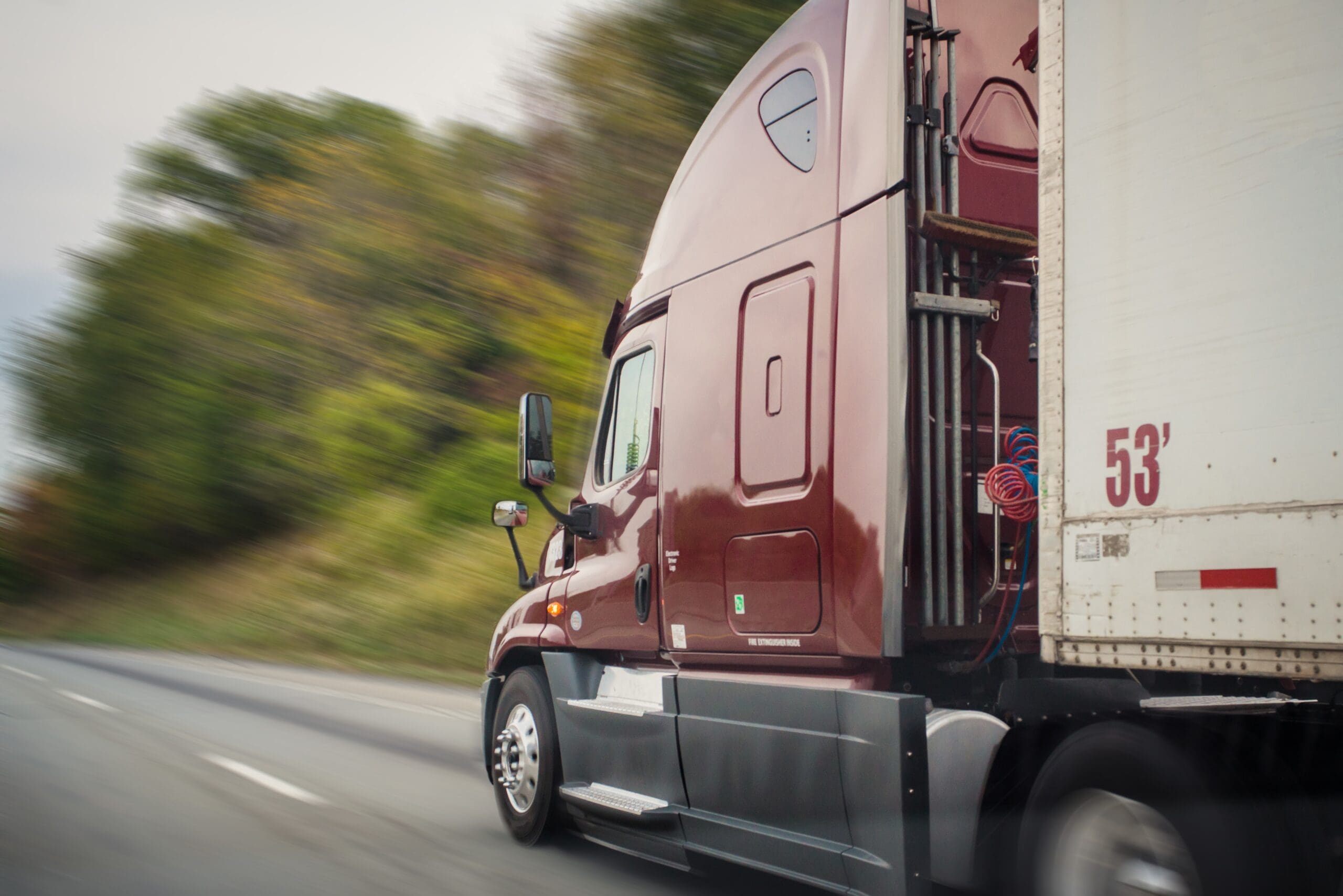
There are states that specifically exclude large trucks and restrict them from using the left lane, whereas other states limit the use of the lane in certain circumstances. These laws may be based on axel or weight limits. In other situations they may be based solely on vehicle description.
Even if there's no state-wide law regarding lane restrictions you should still be aware of local rules and adhere to them. It is also recommended to move to the right side if you spot trucks passing in the lane in order to not hinder faster vehicles from taking over.
Ownership
The 18-wheeler and trucking firms have an array of resources they can make use of to force victims of accidents to accept less than what they're entitled to. They have teams of insurance adjusters and lawyers who work on their behalf before they know if the victim of an accident will pursue legal action.
Because they can carry massive loads and are much bigger than passenger vehicles, 18 wheelers can cause catastrophic injuries and enormous property damage in accidents. This is especially true when these trucks collide with motor vehicles. It is important to hire an experienced lawyers fight for your rights and recover against these powerful, massive corporations.
Accidents involving large trucks require a thorough understanding of concepts in the fields of physics, chemistry, biology and federal trucking regulations medical regulations, and driving rules. Our lawyers are able to discover any infringements of these laws, and show the jury what caused your accident.
There are many parties that can be responsible for 18-wheeler truck crashes. Our NY 18-wheeler accident lawyer will investigate the responsible parties and ensure that they are liable for your present and future expenses. This includes trucking firms owners, maintenance contractors, owners and even the drivers themselves. Our team will also study the weather conditions that could have contributed to the accident.
Insurance
Trucking companies can send large teams of lawyers, adjusters engineers, experts, and adjusters quickly. They begin this process before they even know whether you will to seek legal recourse. This is why it is so important to immediately retain an experienced lawyer who can match their resources and bring them down to size.
An experienced 18-wheeler crash lawyer can alleviate the burden of dealing with these big corporations off your shoulders and concentrate on getting you the compensation you deserve. This money can be used to pay medical expenses, vehicle damage, lost income from missed work as well as other non-economic damages like pain and suffering.
18-wheelers are highly complex vehicles that require high-level, systematized maintenance to ensure they remain on the road. Inability to maintain this maintenance and maintain detailed records could lead to devastating accidents.
Tractor-trailers often are used to transport hazardous materials, that require special training and licensing. These materials may be explosive or flammable and radiological as well as poisonous. They all pose a major risk to other drivers traveling on American highways. A fatal accident could occur if the cargo is not properly labelled and secured.
A qualified 18 wheeler accident lawyer can determine the precise cause of your crash and liable for any party who may be responsible. These may include the driver of the truck as well as the trucking company, the owner of the trailer and the manufacturer of the truck or its components. This is referred to as vicarious responsibility.